How Forex Cards Work with Abroad Education Loans
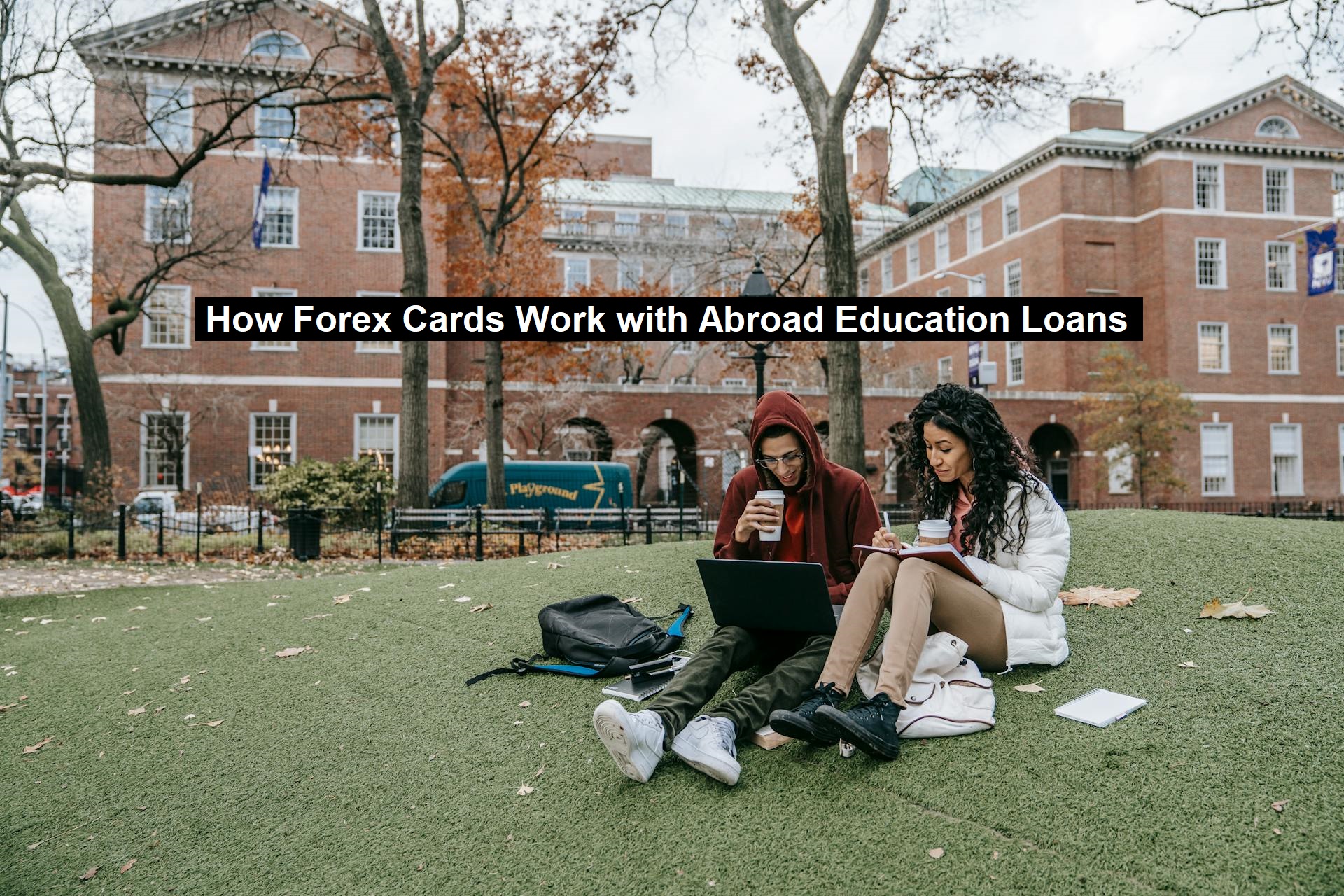
Managing money in a foreign country is one of the biggest concerns for students planning to study abroad. While getting a foreign education loan helps cover tuition and living costs, many students are unsure how they will actually access and use that money overseas.
This is where forex cards come into play.
If you’re taking a student loan for overseas study, understanding how forex cards work can help you avoid high transaction fees, currency conversion losses, and financial stress.
In this guide, we’ll break everything down in a simple and practical way so you can confidently manage your funds while studying abroad.
What is a Forex Card?
A forex card (foreign exchange card) is a prepaid card that allows you to load money in foreign currency and use it internationally.
You can use it for:
- Paying rent and daily expenses
- Shopping online or offline
- Withdrawing cash from ATMs abroad
- Paying university-related expenses
For students using loans for study abroad, forex cards are one of the most efficient ways to access funds.
Read: The Year-End Financial Checklist Every Entrepreneur Needs
How Forex Cards Work with Abroad Education Loans
When you take a student loan for overseas study, the loan amount is usually disbursed in Indian Rupees (INR). However, your expenses abroad are in foreign currency.
Here’s where forex cards help:
Step-by-Step Process
1. Loan Disbursement
- Bank or lender approves your loans for students to study abroad
- Funds are released based on requirement
2. Currency Conversion
- INR is converted into foreign currency (USD, GBP, EUR, etc.)
- The exchange rate is applied at the time of loading
3. Loading Forex Card
- The converted amount is loaded onto your forex card
- You can carry it like a debit card
4. Usage Abroad
- Use the card for:
- Payments
- ATM withdrawals
- Online transactions
This process makes forex cards a convenient bridge between your foreign education loan and your day-to-day expenses abroad.
Why Students Prefer Forex Cards Over Bank Transfers
Students often compare forex cards with traditional bank transfers. Based on real student concerns, forex cards usually offer more flexibility.
Key Advantages
- Better exchange rates compared to regular bank transfers
- Lower transaction fees
- Locked-in exchange rate (protection from fluctuations)
- Easy expense tracking
- Safer than carrying cash
For students using a student loan overseas study, these benefits can make a significant difference in overall expenses.
Real-Life Scenario: Forex Card vs Bank Transfer
Let’s understand this with an example:
Scenario 1: Bank Transfer
- Amount: ₹5 lakh
- Exchange rate fluctuation: +2%
- Extra cost: ₹10,000
Scenario 2: Forex Card
- Rate locked at time of loading
- No fluctuation impact
- Better control over spending
This is why many students prefer forex cards while managing their loans for study abroad.
Common Problems Students Face with Forex Cards
Even though forex cards are useful, students often face confusion.
1. When Should I Load the Card?
- If you load too early → rate may drop
- If you load too late → rate may increase
Solution: Monitor exchange rates and load in parts
2. Are There Hidden Charges?
Yes, some banks charge:
- Reload fee
- ATM withdrawal charges
- Inactivity fees
Always check the fee structure before choosing a card
3. Can I Use It for All Expenses?
Forex cards work for most transactions, but:
- Some landlords prefer bank transfers
- Some universities require direct payments
Best Practices for Using Forex Cards with Student Loan
Here are practical tips to manage your student loan for overseas study effectively:
1. Load Money in Multiple Instalments
- Avoid loading the entire amount at once
- Take advantage of favourable exchange rates
2. Keep Backup Payment Options
- International debit card
- Bank account abroad
3. Track Your Expenses
- Use apps linked to your forex card
- Monitor spending regularly
4. Avoid Frequent ATM Withdrawals
- Withdraw larger amounts less frequently
- Reduce withdrawal charges
How to Get Education Loan for Study Abroad and Manage Funds Smartly
Understanding how to get education loan for study abroad is not just about approval; it’s also about managing funds efficiently once disbursed.
Students often focus only on:
- Interest rates
- Loan amount
But equally important is:
- Disbursement method
- Currency conversion
- Expense management
Using forex cards correctly ensures your foreign education loan is utilized efficiently without unnecessary losses.
How Student Cover Helps You Manage Forex and Education Loans
Choosing the right loans for students to study abroad involves more than just comparing interest rates.
At Student Cover, students get:
- Guidance on selecting the right foreign education loan
- Help in understanding disbursement methods
- Support in choosing forex-friendly lenders
- Assistance in financial planning for overseas education
Instead of figuring everything out on your own, you get a simplified approach to managing your student loan overseas study.
When Should You Use Forex Card vs Bank Transfer?
Use Forex Card For:
- Daily expenses
- Rent and groceries
- ATM withdrawals
Use Bank Transfer For:
- Tuition fee payments
- Large transactions
- University deposits
Combining both ensures optimal usage of your loans for study abroad.
Final Thoughts
Forex cards play a crucial role in managing your finances when studying abroad. While your student loan for overseas study provides the funds, forex cards ensure those funds are used efficiently.
Key takeaways:
- Forex cards reduce currency risk
- They offer better control over expenses
- Smart usage can save significant money
Ready to Manage Your Study Abroad Loan Smartly?
If you’re planning your finances and exploring how to get education loan for study abroad, having the right strategy can make a huge difference.
With the right guidance, you can:
- Avoid unnecessary forex charges
- Manage your funds efficiently
- Make the most of your foreign education loan
Explore the best loans for students to study abroad with Student Cover and make your study abroad journey financially smooth.