
What Investors Look for When Choosing Precious Metals Dealers

Buying gold or silver is the easy part. Choosing who you buy it from is where most first-time investors get stuck. The metal itself is a commodity, but the dealer behind it decides whether your purchase arrives on time, whether it is stored safely, and whether you can sell it back without a fight when you need the cash.
That distinction matters more as more people move a slice of their retirement savings into physical metals. A precious metals dealer is not just a storefront. The right one acts as a long-term partner across buying, storage, and eventually selling. Here is what careful investors check before they hand over a dollar.
Product Authenticity and Purity
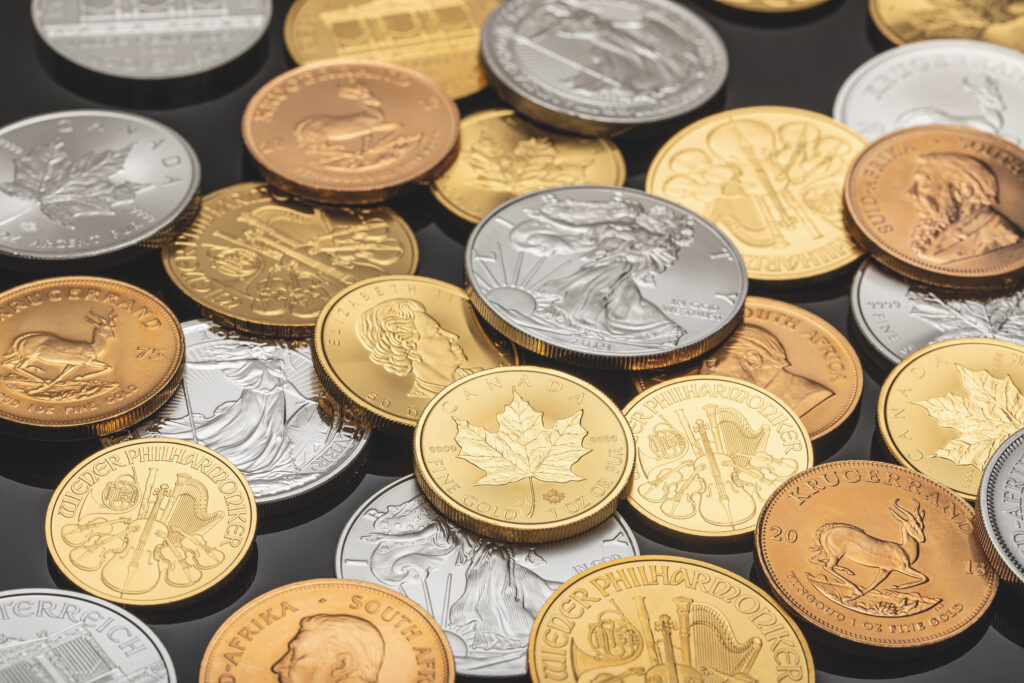
The first question is whether you are getting what you pay for. Reputable dealers deal primarily in government-minted coins, whose weight and purity are guaranteed by the issuing mint. That guarantee removes the guesswork that comes with generic bars or private rounds of uncertain provenance.
Ask how a dealer sources its inventory and how it documents authenticity. A firm that cannot explain where its coins come from is a firm to walk away from. The reputable ones welcome the question, because verifiable provenance is one of their selling points rather than something to gloss over.
Read: How to Stop Your Marketing From Being Ignored
Transparent, Market-Based Pricing
Precious metals trade close to a published spot price, so any dealer charging a wide premium over the market rate should raise an eyebrow. Pricing near the current market rate protects the fair value of your investment on both the buy and the sell side.
Good dealers explain their premiums plainly. They tell you the spot price, the markup, and any fees before you commit, rather than burying the spread in vague language.
Delivery Speed You Can Count On
Delivery timelines vary far more than most buyers expect. Industry-wide, the wait can stretch to roughly three months from order to doorstep. The strongest dealers move faster, turning orders around in three to four weeks.
When you are protecting savings during an uncertain market, waiting a full quarter for delivery is a real cost. Ask for a firm timeline in writing before you order.
Secure Shipping and Insured Storage
Physical metal introduces a risk that stocks never do: it can be lost or stolen in transit. Careful dealers reduce that exposure by shipping orders in separate packages and insuring shipments through the carrier while they move.
For metals held in a retirement account, storage happens in a certified depository rather than a home safe. That arrangement keeps the assets both physically secure and compliant with the rules governing tax-advantaged accounts.
A Genuine Buyback Guarantee
Buying is only half the relationship. At some point you will want to sell, and a dealer that also buys back what it sold turns a two-sided problem into a single phone call.
A standing buyback commitment signals confidence in the product and saves you from hunting for a separate buyer at the exact moment you want liquidity. Metals are already among the more liquid assets an investor can hold, and a dealer that buys back its own inventory makes that liquidity practical rather than theoretical. Confirm the policy exists in writing, not just in a sales conversation.
Advice That Educates Instead of Pressures
The best sign of a trustworthy dealer is how its people talk to you. A quality firm assigns a precious metals specialist who walks you through the options and coordinates with your own financial advisor rather than pushing a quick close.
Retirement decisions carry real weight, and they deserve unhurried conversation. If a representative is rushing you toward a large purchase, that urgency tells you more about their incentives than about the metal.
Watch for the Same Red Flags You Watch in Any Investment
Choosing a dealer is one decision inside a larger discipline of managing your holdings well. The habits that protect a stock portfolio, such as reviewing concentration, fees, and performance, apply just as squarely to metals. Investors who run a regular check on their positions tend to spot problems early, an idea covered well in this guide to red flags in your portfolio.
Apply that same scrutiny to a dealer. Vague pricing, missing documentation, and high-pressure sales tactics are the warning signs worth acting on.
Why the Dealer Choice Is Worth the Effort
Metals have earned their place in long-term portfolios for a simple reason: they tend to hold value when other assets fall. Over the ten years ending in early 2026, gold rose roughly 300%, outpacing the broad stock market over the same stretch, while also serving as a hedge against inflation that quietly erodes cash.
That long-term case is only as strong as the partner you buy through. Before committing, it is worth understanding why to invest in gold in the first place, then choosing a dealer whose pricing, delivery, storage, and buyback terms all hold up under questioning.