Red Flags in Your Portfolio: A Self-Audit Checklist Investors Should Run Quarterly
Just like a car needs a regular oil change and occasional tune-ups to run correctly, your investment portfolio needs maintenance. Financial markets are constantly changing, so a “set it and forget it” strategy can lead to stagnation or, worse, losing your money.
One of the best habits any investor can practice is a quarterly self-audit. It has nothing to do with compulsively tracking hourly prices or trying to time the next big pump. It’s a thoughtful, planned examination where you open the hood, assess what’s going on, and make intentional tweaks. Above all, you want to watch for signs that something needs immediate attention.
Below are five of the most important red flags to watch out for during your reviews:
1. Over-Concentration in One Area
This is the classic trap of having all your eggs in one basket. This can be tempting when you see that a single stock or sector has performed very well. You might have set out with a diversified strategy. Still, after a year of high returns in the tech industry, you may have gradually made technology stocks a disproportionate share of your position.
Audit Question: Does any single asset, fund, or industry represent more than 10-15% of your total portfolio value?
The Solution: If the answer is yes, it might be time to rebalance. Trim some of your winners and reallocate that capital to underrepresented areas.
Read:
2. A Mismatch With Your Risk Tolerance
Your portfolio’s risk level has to be acceptable to you. If you’re lying awake at night over small market downturns, your approach is probably too aggressive. Conversely, if you have a long time frame and a strong growth mindset, a low-risk, low-performing portfolio may not suffice. Shifts in your life cycle, such as approaching retirement, a career change, or having a family, can shift how you view risk.
Audit Question: Are you comfortable with the possible downside of your existing positions? Is your portfolio set up to realistically achieve your goals?
The Solution: Be honest with yourself. If your current strategy is giving you stomach knots, consider diversifying to bonds or other lower-risk assets. If you aren’t seeing the growth you need, include more speculative investments that offer more long-term potential.
3. High Fees Are Eating Away at Your Returns
Investment fees are an often-overlooked factor that can influence your results. Mutual fund and ETF expense ratios, trading commission fees, and advisory fees may look insignificant on a percentage basis. Yet, over the years, they nibble away at your profits. A 1% fee sounds minuscule, but if your portfolio is $100,000, that’s $1,000 every year.
Audit Question: Do you know the expense ratio of all the funds you own? If you’re paying for active management, is it actually outperforming its low-cost index equivalent?
4. Some of Your Investments Are “Zombies”
A zombie investment is a holding that’s not going up or down. It’s just sitting idle and moving sideways year after year. These are typically investments you bought years ago on the basis of a tip or trend that no longer applies. You hold onto them out of hope or just inertia, hoping they’ll somehow come back to life.
Audit Question: Going over every one of your holdings, would you buy this investment today at this price?
The Solution: If the answer is no, it’s a good time to consider selling. Each dollar in your portfolio should serve a purpose. Selling a stale investment frees up capital that can be redeployed into more promising alternatives.
5. Your Portfolio is Lagging Behind the Overall Market
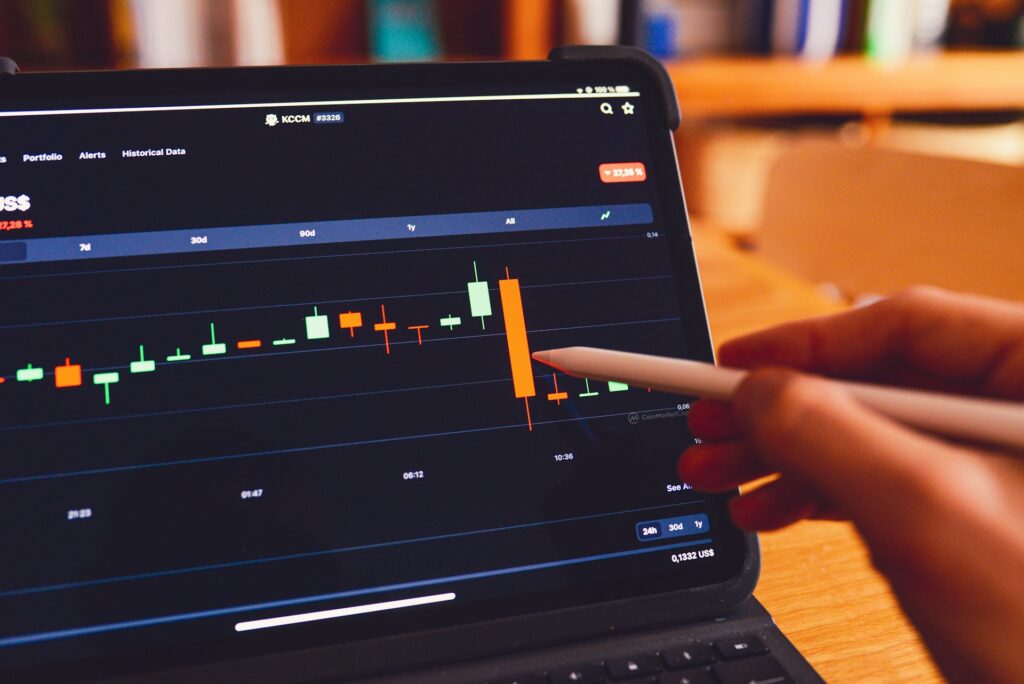
Your holdings won’t always mirror the S&P 500 or other extensive indexes, but there should be some parity. If the market is up 10% but your portfolio is down 5%, you need to investigate. This could indicate a fundamental problem with your investment strategy.
The reason for this could be rooted in some of the other issues we’ve looked at, such as over-concentration in one area or holding “zombie” investments. In some cases, it can also come up when your broker is mismanaging your portfolio.
Audit Question: Does your portfolio’s performance stand up against market benchmarks? If there’s a discrepancy, can you pinpoint the reason?
The Solution: If your assets tend to underperform relative to the market, consider changing your basic strategy. You may need to find a new source of advice, such as a credible financial advisor.
Don’t Ignore Red Flags
There’s no need to panic if one or more of these red flags apply to your portfolio. At the same time, don’t just ignore them and hope things get better. It’s also worth being aware of common securities claims that can arise from broker negligence or misconduct, as recognizing these issues early can help protect your investments. By scheduling a simple quarterly check-up, you can better manage your financial future. A successful financial strategy demands regular vigilance and a willingness to make changes.