Why Surface Construction Startups Are Experiencing Rapid Growth
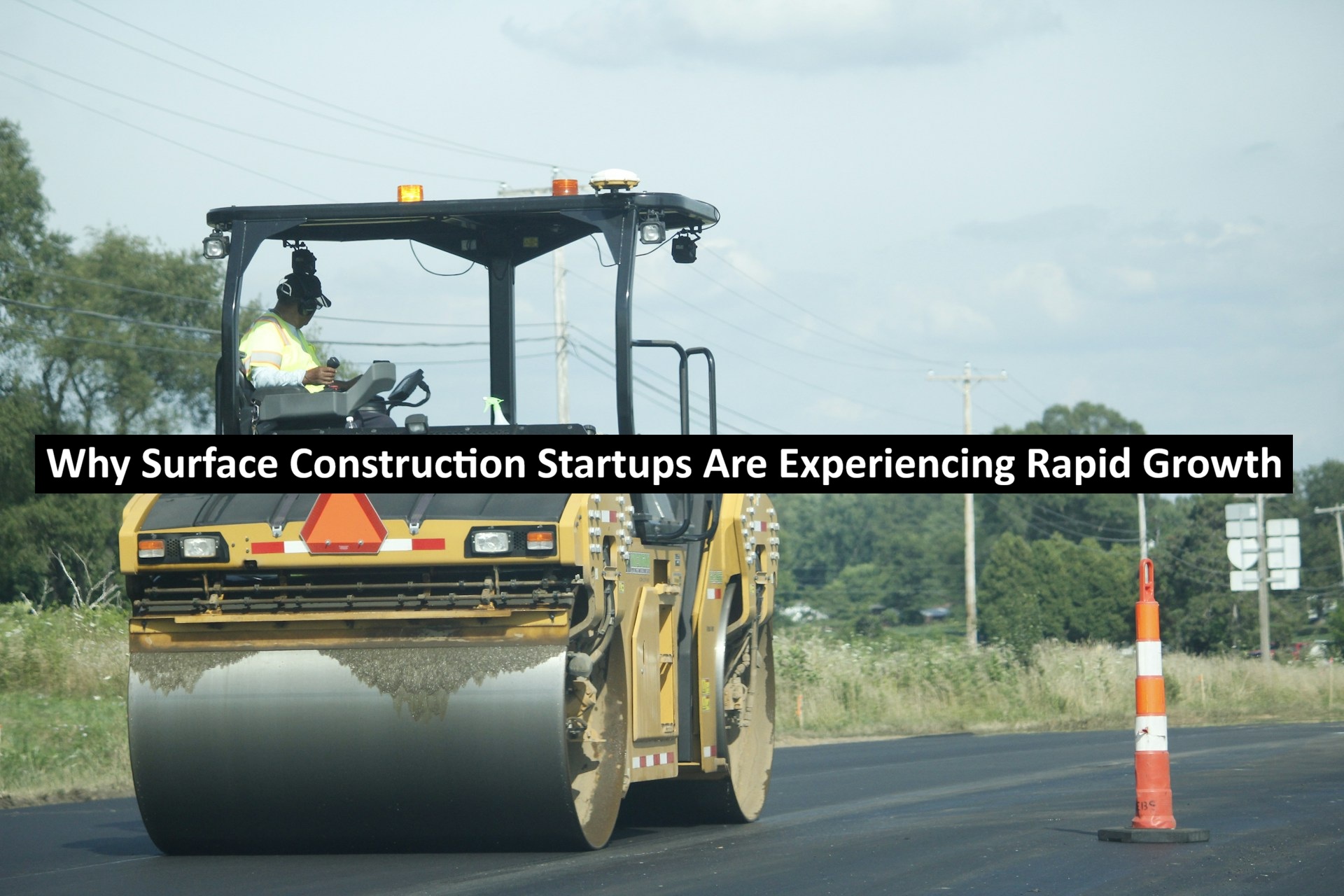
Surface construction has never been glamorous. No viral demos. No flashy launches. No buzzwords.And yet, it’s quietly becoming one of the fastest-growing startup lanes in North America.New operators are entering the space every year. Small crews are scaling into multi-city businesses. What used to be a “one truck, one owner” model is turning into something far more structured.The growth isn’t accidental. It’s structural.
A Fragmented Industry Ready for Change
For decades, surface construction has been dominated by small, local operators. Family-run businesses. Solo contractors. Crews that relied on word of mouth and repeat clients.
That model worked. Until it didn’t.
The industry remained fragmented for a long time, which meant fewer standards, fewer systems, and very little pressure to modernize. In many markets, competition existed, but innovation didn’t.
That’s exactly why startups are finding room to grow.
When an industry hasn’t evolved in years, even modest improvements can create outsized advantages.
Read: The Year-End Financial Checklist Every Entrepreneur Needs
Demand Was Already There
One of the biggest reasons surface construction startups scale quickly is simple: demand exists first.
Unlike trend-driven industries, surface work is tied to necessity. Surfaces wear down. Conditions degrade. Safety standards tighten. Eventually, maintenance can’t be delayed anymore.
There’s no need to invent demand or educate customers from scratch. The problem is already understood. The opportunity lies in who can solve it faster, more reliably, and at scale.
In many cases, customers aren’t shopping for innovation. They’re shopping for certainty. And that works in a startup’s favor.
It also shortens the sales cycle. When customers already understand the problem, conversations move faster, and decisions come more easily. That speed matters for young companies trying to build momentum. Fewer explanations. More execution.
Lower Barriers, Faster Momentum
Compared to many other startup paths, surface construction has relatively low barriers to entry.
- No massive R&D costs
- No long development cycles
- No years of customer acquisition burn
Early revenue can arrive quickly, especially in underserved markets. That cash flow allows operators to reinvest, hire, and expand without relying heavily on outside capital.
It’s not risk-free. But it’s practical.
That practicality is exactly what appeals to founders who want to build something real without waiting years to validate the business.
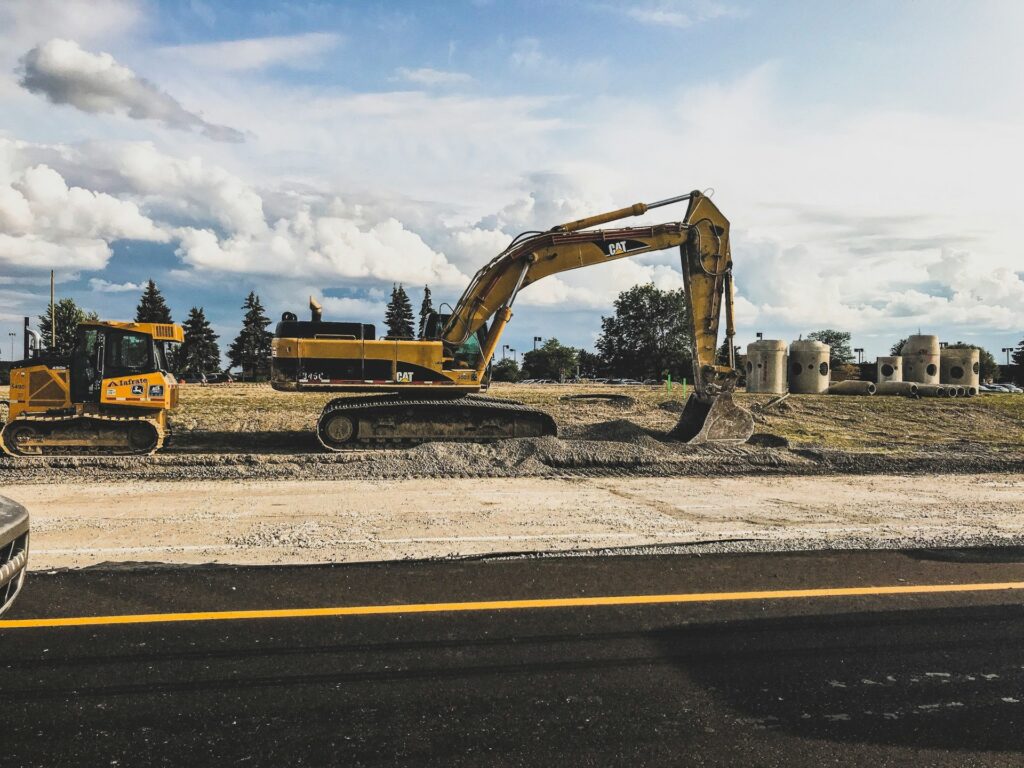
Deferred maintenance is catching up everywhere.
Years of postponement are being replaced by urgency. Compliance requirements, liability concerns, and safety standards are pushing surface maintenance higher on priority lists.
You can delay repairs. You can’t avoid them forever.
This environment creates consistent work, predictable demand cycles, and long-term opportunities for businesses that can operate efficiently.
Technology is Scaling Small Teams Faster
What used to limit growth was coordinating on essential business aspects, including scheduling, estimating, training, and marketing.
Today, those constraints are weaker than ever.
Digital tools allow small operators to look and function like much larger companies. Crews can manage more jobs, serve wider areas, and maintain consistency without bloating overhead.
The result? A two-truck operation can scale like a regional business. Technology isn’t replacing labor in surface construction. It’s amplifying it.
Standardization Is Creating Trust at Scale
For a long time, surface construction businesses lived and died by reputation alone. Who you knew. Who referred you. Whether your phone rang this week.
That still matters. But it’s no longer enough.
As startups enter the space, they’re bringing consistency with them. Clear scopes of work. Defined timelines. Transparent pricing. Things customers quietly crave, even if they don’t ask for them directly.
This standardization builds trust faster than branding ever could.
When clients know what to expect, they hesitate less. When expectations are clear, disputes shrink. When processes are documented, quality doesn’t disappear the moment a crew changes.
That’s a big shift.
It allows surface construction companies to grow beyond a single operator’s presence. Work doesn’t stall when the owner steps away. Jobs don’t bottleneck around one decision-maker. The business keeps moving.
Predictability becomes the product.
And once that happens, growth stops feeling chaotic. It starts feeling intentional.
A New Operator Mindset
Another shift is happening quietly.
The new wave of founders doesn’t see surface construction as a side hustle or fallback option. They see it as an operating business.
They focus on:
- Systems over improvisation
- Repeatability over one-off wins
- Growth over survival
Instead of chasing every job, they refine processes. Instead of working only in the field, they build teams. Instead of thinking short-term, they plan expansion.
Why Entrepreneurs and Investors Are Paying Attention
From an outside perspective, surface construction looks boring.
That’s sort of the point.
These are the traits that attract serious entrepreneurs and patient capital. Especially in uncertain economic climates, reliability becomes more valuable than novelty.
Surface construction doesn’t depend on trends. It depends on wear, weather, and time. Those forces aren’t going anywhere.
The Growth Isn’t a Phase
This isn’t a temporary surge. It’s a correction.
An industry that stayed static for too long is now catching up fast. As more operators bring structure, systems, and long-term thinking into the space, the ceiling rises for everyone.
Surface construction may never dominate headlines. As the industry matures, many founders begin exploring broader resources and tools that support scalability, including access to reliable sealcoating equipment that aligns with long-term operational growth. But, for founders who value durability over hype, it’s becoming impossible to ignore.